
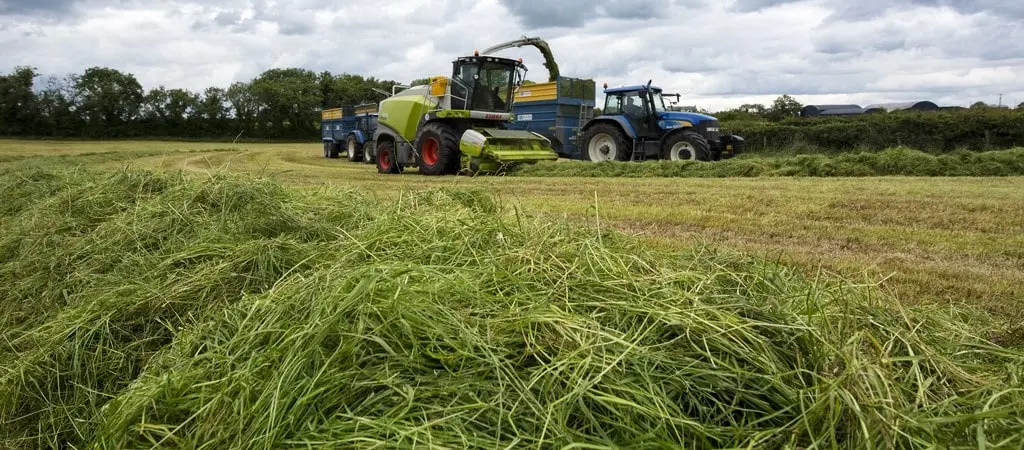
Introduction: Why Silage is Essential for Ranching in Laikipia
Cattle ranching in Laikipia County is one of the most profitable agribusiness ventures in Kenya. However, one of the biggest challenges ranchers face is feed shortage during dry seasons.
This is where silage making becomes essential. Silage allows farmers to preserve green fodder, ensuring a consistent supply of nutritious feed all year round—especially during drought periods.
What is Silage?
Silage is fermented, high-moisture fodder stored in airtight conditions. It is commonly made from:
- Maize
- Napier grass
- Sorghum
- Other green forage crops
The fermentation process preserves nutrients and improves digestibility, making it ideal for beef and dairy cattle.
Why Silage is Important in Laikipia
Laikipia has a semi-arid climate, meaning:
- Rainfall is seasonal
- Pasture can dry up quickly
Benefits of Silage in Laikipia:
✅ Ensures feed availability during dry seasons
✅ Improves weight gain and milk production
✅ Reduces overgrazing pressure
✅ Supports large-scale ranching operations
Step-by-Step Guide: How to Make Silage in Laikipia
1. Choose the Right Crop
The best crop for silage in Laikipia is maize, due to:
- High energy content
- Good fermentation properties
Other options:
- Napier grass
- Sorghum
2. Harvest at the Right Stage
Harvest when:
- Maize is at milk to dough stage
- Moisture content is about 60–70%
👉 This ensures optimal nutrient preservation.
3. Chop the Fodder
- Chop into 1–2 inch pieces
- Helps with:
- Better compaction
- Faster fermentation
4. Add Supplements (Optional but Recommended)
To improve quality:
- Molasses (for sugar content)
- Bran (for extra nutrients)
5. Fill and Compact the Silage Pit
- Use a silage pit, bunker, or plastic bags
- Compress tightly to remove air
👉 Oxygen causes spoilage—this step is critical.
6. Seal Airtight
- Cover with polythene sheet + soil
- Ensure no air enters
7. Fermentation Period
- Leave for 21–30 days
After this, silage is ready for feeding.
Signs of Good Silage
- Pleasant fruity smell
- Greenish-yellow color
- No mold or bad odor
How Silage Improves Cattle Ranching in Laikipia
🐄 1. Consistent Feed Supply
Silage ensures cattle have nutritious feed throughout the year, especially during drought.
📈 2. Faster Weight Gain
Well-fed cattle:
- Reach market weight faster
- Produce higher-quality beef
💰 3. Higher Profitability
- Reduced feed costs during dry seasons
- Increased livestock productivity
🌿 4. Better Land Management
- Reduces overgrazing
- Preserves pasture
How to Optimize Cattle Ranching in Laikipia
1. Invest in Quality Breeds
Best breeds for Laikipia:
- Boran
- Sahiwal
- Crossbreeds (Boran × exotic breeds)
2. Implement Rotational Grazing
- Divide land into paddocks
- Rotate cattle to allow pasture recovery
3. Water Management
- Boreholes and water pans
- Ensure consistent water supply
4. Supplement Feeding
Combine:
- Natural pasture
- Silage
- Mineral supplements
5. Use Modern Ranching Techniques
- Feedlot finishing
- Veterinary care
- Record keeping
Why Laikipia is Ideal for Ranching
🌍 Large Land Availability
Laikipia offers thousands of acres suitable for ranching.
🌦️ Favorable Climate
- Semi-arid but productive
- Supports hardy cattle breeds
🐄 Established Ranching Ecosystem
- Presence of commercial ranches
- Access to markets (Nairobi, export)
💼 High Investment Potential
- Strong demand for beef
- Growing agribusiness sector
Conclusion: Build a Sustainable Ranching Business
Silage making is not just a farming practice—it’s a strategic investment tool for ranchers in Laikipia.
By combining:
- Silage production
- Modern ranching practices
- Proper land management
You can build a highly profitable and sustainable cattle ranching operation.
Looking to Invest in Ranch Land in Laikipia?
Whether you are starting or expanding your ranch, access to the right land is key.
Here are Some Ranching Options in Laikipia:
- 13,500 Acres in Laikipia
- 6600 Acres Cattle Ranch, 65kms from Nanyuki Town
- 4000 Acres in Rumuruti
- 12000 Acres in Kimanjo Laikipia
📞 Contact Daebak Realty today to explore prime ranches and agricultural land in Laikipia.
0 Comments
Post Comment